Clean-Label Shelf-Life Preservation: Natural Methods for Manufacturers
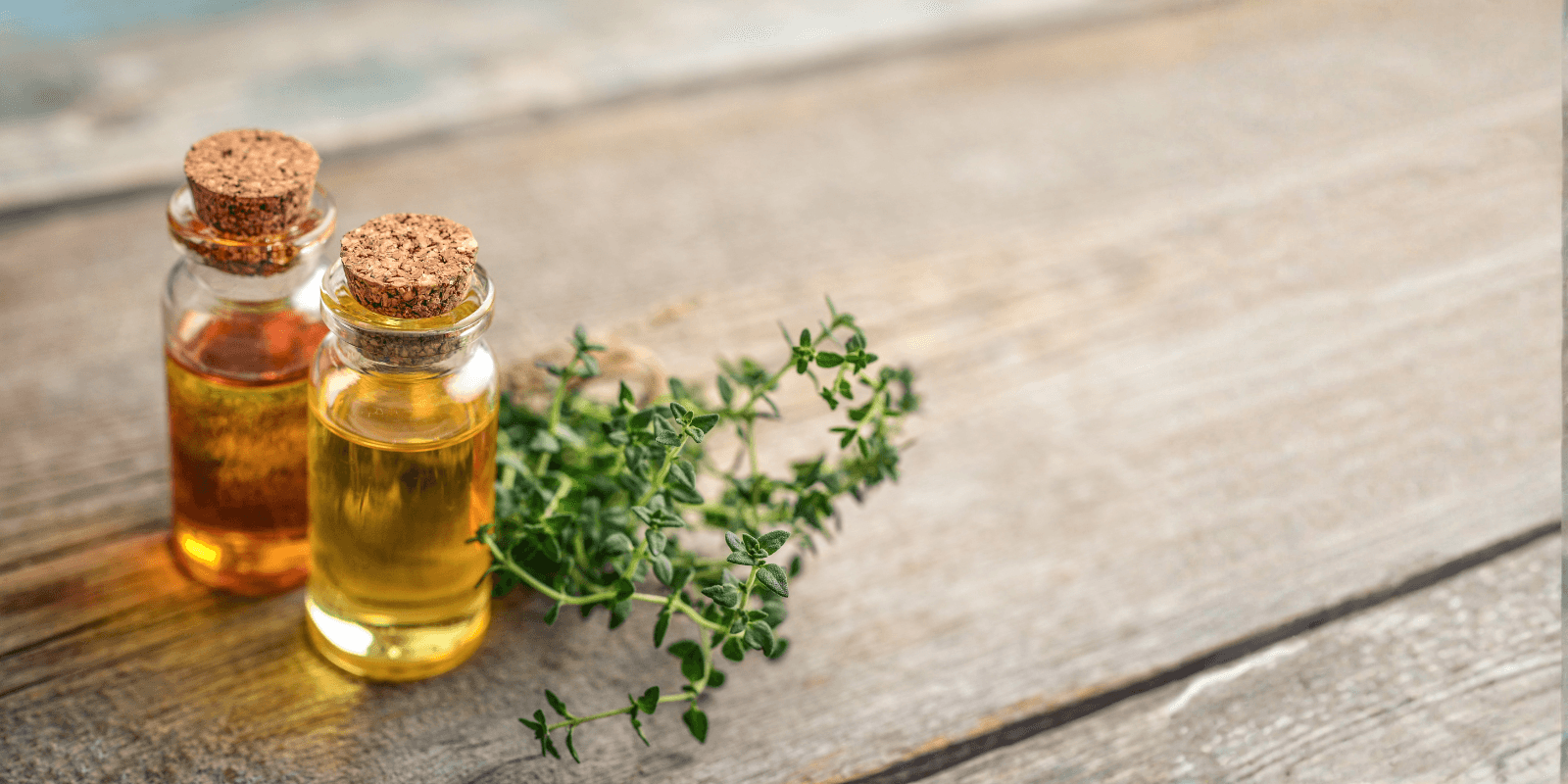
The growing consumer demand for clean-label products is reshaping the food industry. With a shift away from synthetic preservatives, manufacturers are challenged to extend shelf life while maintaining product quality and transparency. North America leads with 60% of consumers avoiding artificial additives, followed by Europe, while the Asia-Pacific region sees the fastest year-on-year growth at 12%. For food and beverage manufacturers, clean-label solutions help meet both regulatory standards and consumer expectations.
This blog will explore clean-label shelf-life preservatives, their benefits, and strategies for integrating them into food manufacturing processes.
Key Takeaways:
- Shelf life extension is about maintaining freshness throughout the shelf life of the product. Protecting taste is paramount, and avoiding off odors, off flavors, and off colors is critical for shelf-life extension.
- Maintaining fresh flavor can be achieved through the use of natural plant extracts.
- Plant extracts can also act as flavor modulators, enhancing consumer appeal and fresh flavors.
- Clean-label solutions offer shelf life benefits and can help manufacturers improve regulatory compliance, build consumer trust, and extend product shelf life.
What Exactly Are Clean-Label Preservatives and Why Do They Matter?
Clean-label preservatives typically refer to ingredients perceived by consumers as more familiar or naturally derived, though they remain subject to food additive regulations. Clean-label preservatives include plant extracts, antioxidants, fermentation-based compounds, and more. They help extend product shelf life without compromising safety, transparency, or sensory quality, and are often used as alternatives to synthetic chemicals.
Why Clean-Label Preservation Matters:
- Consumer Trust: Today's consumers prefer products with fewer artificial additives, and clean-label preservatives meet this demand.
- Regulatory Compliance: Clean-label preservatives can support regulatory compliance when properly selected, labeled, and used within approved limits.
- Operational Efficiency: Natural preservatives can be as effective as synthetic ones when properly formulated, extending shelf life without compromising product quality.
Types of Clean-Label Shelf-Life Preservatives and Their Benefits
When it comes to extending shelf life naturally, food manufacturers rely on several clean-label preservatives. Here are the most commonly used types, their benefits, and the functional roles they play in food production:
Antioxidants:
- Help prevent oxidation and maintain flavor and color.
- Applications include oils, sauces, snacks, and beverages.
Antimicrobials:
- Help inhibit microbial growth and extend shelf life. Ideal for acidic foods.
- Help protect fresh flavors and maintain freshness over shelf life
- Applications include dairy and non-dairy systems, meat and plant-based products, and certain processed or refrigerated foods that require microbial control.
Plant-based extracts:
- Include botanical extracts, which may have organic acids that help modulate flavors.
- Extracts may help control microbial growth and prevent spoilage. Help inhibit yeast and mold and extend shelf life.
- Applications include dairy and non-dairy, meats, processed and refrigerated foods, bakery and bread, sauces, dressings, and beverages.
Evaluating Clean-Label Preservation Options
In the food manufacturing sector, sourcing clean-label preservatives requires a strategic approach that balances operational needs, product performance, and cost efficiency. Here's a structured framework for making informed decisions in this area:
1. Assessing Risks: Balancing Microbial Challenges and Consumer Acceptance
When selecting clean-label preservatives, it's important to consider the product's microbial and spoilage risks, which vary by food type and shelf life.
- High-Moisture Products: Foods such as baked goods and ready-to-eat meals require strong antimicrobial preservatives because their moisture makes them prone to microbial contamination.
- Low-Moisture Products: Dry snacks or processed meats may require preservatives primarily for oxidation control rather than antimicrobial activity. Before selecting an ideal solution, sensory impact and consumer acceptance should be considered.
2. Cost-in-Use vs. Price
Natural preservatives may come with hidden costs that go beyond the price.
- Higher Inclusion Rates: Some natural shelf-life extension solutions may require higher inclusion rates than synthetic options, which, in turn, may increase production costs.
- Multi-Ingredient Systems: Natural preservatives are often used in combinations to improve effectiveness, which can increase formulation complexity and cost.
- Long-Term Cost Evaluation: The true cost of a preservative is determined by its long-term effectiveness. Preservatives that maintain product integrity for longer may help reduce waste and loss, proving more cost-effective over time.
4. Regulatory Compliance
Compliance with global regulations is essential for manufacturers scaling internationally.
- Codex Alimentarius: Ensure preservatives comply with Codex standards for food safety and labeling when exporting to regions following these guidelines.
- FDA & EFSA: Understand FDA (U.S.) and EFSA (EU) regulations to ensure preservatives meet food additive standards in target markets.
- Manage Regional Differences: Each region has specific rules for the use of natural preservatives. Procurement teams and R&D leads need to consider local regulations and ensure clean-label preservatives meet these requirements in all target markets.
Emerging Trends in Clean-Label Shelf-Life Solutions
As the clean-label trend evolves, manufacturers are exploring new ways to extend shelf life and ensure food safety without adding preservatives. Here's how:
Biotechnology: Natural Preservation Methods
Biotechnology is key to the next generation of clean-label preservation. Innovations in bio-preservation, such as microbial fermentation and natural plant extract solutions, offer sustainable alternatives to traditional preservatives. These techniques harness the power of natural organisms to preserve food while maintaining transparency, safety, and nutrition.
Sustainable Sourcing: Focus on Local Ingredients
Sustainability is driving changes in sourcing practices. More manufacturers are choosing to source preservatives locally, reducing their environmental impact and ensuring supply chain transparency. Ingredients such as rosemary extract and citrus juice are becoming popular, aligning with consumer values around sustainability and traceability.
Consumer Education: Opportunity For Transparent and Clear Communication
With growing consumer demand for transparency, manufacturers have a valuable opportunity to highlight ingredient transparency and reformulations, and to educate consumers about the benefits of clean-label products. By emphasizing natural ingredients, manufacturers can capitalize on this shift and better align with consumer expectations, while navigating evolving regulations on clean-label claims.
A&B Ingredients Supports Manufacturers in Clean-Label Shelf-Life Preservation
At A&B Ingredients, we provide natural preservatives and food safety solutions that help manufacturers tackle clean-label shelf-life challenges.
Here's how we support you:
Natural Preservatives & Food-Safety Solutions: We offer a range of natural antimicrobials, mold inhibitors, and shelf-life extenders for products like meat, plant-based goods, and dairy alternatives, ensuring freshness and safety without synthetic chemicals.
Tailored Formulation Support: Our R&D team collaborates with manufacturers to optimize formulations for various applications, including high-moisture products (e.g., meats, ready-to-eat meals) and oxidation-prone items (e.g., oils, beverages), ensuring consistent performance throughout production.
Sustainability & Sourcing: We partner with trusted suppliers to offer sustainably sourced, non-GMO products, minimizing supply chain risks and ensuring consistent quality.
Final Thoughts
Clean-label preservatives are essential for extending shelf life while meeting consumer demand for natural, transparent ingredients. As manufacturers reduce synthetic additives, these preservatives balance safety, quality, and cost. Natural plant extracts maintain and protect fresh flavors while enhancing consumer appeal over shelf life.
Clean-label preservatives, such as antimicrobials, mold inhibitors, and antioxidants, can help maintain freshness and product quality over shelf life. A&B Ingredients offers the expertise and tools to navigate regulatory standards and support product development.
As you move forward with reformulating or developing new products, we encourage you to evaluate clean-label preservatives that support both product performance and cost efficiency.
Let A&B Ingredients be your technical partner in achieving these goals. Ready to enhance your product shelf life with clean-label solutions? Contact our team to request a sample to start testing natural preservatives today.
FAQs
1. Are clean-label preservatives safe for all types of food products?
Clean-label preservatives are generally considered safe for a variety of food products, but their effectiveness depends on factors like moisture content and pH. Testing in real-world conditions is highly recommended to ensure they perform as expected.
2. How do clean-label preservatives affect food taste and texture?
While designed to have minimal sensory impact, some natural preservatives may alter taste or texture. For example, vinegar can add a tangy flavor. Careful formulation can minimize or enhance these effects.
3. Can natural preservatives replace synthetic ones completely?
Natural preservatives are designed to replace synthetic additives, but pre-production testing is recommended to ensure the desired shelf life and protection are achieved.
4. How do clean-label preservatives compare to synthetic alternatives in terms of shelf life?
The effectiveness of natural preservatives depends on target applications, usage levels, and desired shelf-life outcomes. While they can extend shelf life, their performance may vary compared to synthetic preservatives, particularly for highly perishable items.
5. Are there any challenges when scaling clean-label preservatives for large-scale production?
Natural preservatives are designed to offer comparable benefits to synthetic alternatives, but achieving consistent performance at scale can be more challenging due to ingredient variability and the need for careful formulation.

Get Expert Support and Formulation Guidance
Connect with our technical team for product samples, application support, and customized recommendations for your specific needs.
CONTACT US