Dietary Fiber Delivers "Healthy" Sugar Reduction in Various Formulations
-1.png&w=2048&q=75)
Recently, sugar reduction has become one of the top concerns for consumers, health organizations, and government agencies. Latest surveys by the International Food Information Council (IFIC) found that 75% Americans were trying to limit or avoid sugars in their diet, with the majority of those focused on reducing added sugars. Six in ten consumers were concerned with the amount of sugar they consumed, and more than half worried about the type of sugar.
The U.S. government is concerned about the increased levels of sugar consumption from a public health perspective. The updated definition of "healthy" foods by the Food and Drug Administration, the National Salt and Sugar Reduction Initiative, and school sugar limits are only some of the steps the government has taken to draw public attention to the problem of high sugar consumption. And the food industry is working towards meeting this demand. Reduced-sugar claims in food and beverage products grew 13 percent year-over-year between 2020 and 2022.
THE HEALTH IMPACT OF EXCESS SUGAR
Consuming excess sugar can harm our health. Sugar can induce hypertension and lead to high triglyceride counts and insulin resistance, which are factors that precede diabetes. Studies have shown that excess sugar consumption has serious negative health benefits from high blood pressure, weight gain, diabetes, and fatty liver disease, all of which are linked to an increased risk of heart disease and stroke.
While it is common to associate excess sugar consumption with confectionery products, many Americans aren't aware of the prevalence of "added sugar" in everyday products such as yogurts, sauces, granolas, cereals, protein bars, soups, bread, dressings, ketchup, and crackers. As a result, the average amount of sugar consumed worldwide has tripled over the past 50 years. Researchers and public health advocates have argued that sugar needs to be regulated.
In recent years, GLP-1 medications, like Ozempic and Wegovy, have gone from niche diabetes treatments to popular weight-loss treatments, with an estimated one in eight U.S. adults reporting taking one as these drugs gain wider use for weight management. As more people adopt GLP-1s and experience appetite suppression and smaller portion sizes, analysts are predicting a notable shift in how Americans shop and eat, with many cutting back on high-sugar, calorie-dense foods and increasingly choosing products that are lower in sugar and richer in protein and other nutrients.
ACHIEVING "HEALTHY" SUGAR REDUCTION WITH DIETARY FIBER
Dietary fiber is viewed by many as a "healthy" way to reduce sugar in food and beverage products. Fiber and sugar are both common carbohydrates. However, unlike sugar, which carries a negative connotation, fiber is often seen as an integral and healthy part of an overall diet and contributes to a well-functioning gut microbiome.
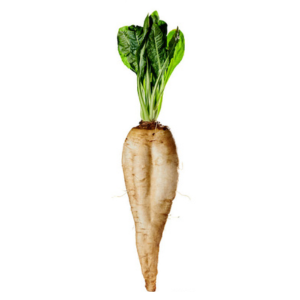
Certain fermentable fibers, such as chicory root fiber (inulin), are dietary fibers, and their prebiotic effect supports good digestive health and immunity. It's a little-known fact that chicory fiber has both nutritional and functional benefits in foods.
Food manufacturers can use chicory fiber in reduced-sugar formulations while rebalancing the nutritional profile of foods. By adding chicory root fiber (inulin), brands can formulate reduced-sugar, fiber-rich foods while lowering their calorie content.
REPLACE CALORIES WITH FIBER
Chicory root fiber (inulin) has half the caloric content of sugar. It is also one-third as sweet as sugar and can be used effectively in reduced-sugar formulations.
When we consume food, our bodies convert the carbohydrates, fats, and proteins into energy, measured in calories. Foods that are high in fat and/or sugar tend to provide the most calories per serving. The caloric value of dietary fiber from chicory root is 2 kcal/g compared to 4 kcal/g from other carbohydrates or 9 kcal/g from fats. Dietary fiber provides far fewer calories than other carbohydrates, proteins, or fats, making it a "healthy" solution for reducing sugar and calories in food and beverage products. When combined with other natural sweeteners, such as honey and monk fruit, chicory fiber can provide a suitable alternative to artificial sweeteners, which have been linked to adverse health effects.
DIGESTIVE HEALTH BENEFITS AND THE FIBER GAP
Fiber helps improve our digestive health. Chicory root fiber has a prebiotic effect, promoting the growth of beneficial gut bacteria. Given that the digestive system is the largest immune organ in the body, prebiotic fiber and inulin help support a healthy gut and promote a healthy immune system through their prebiotic benefits.
The USDA claims that the average American consumes only 1 cup of fiber-rich food (fruit) daily. The recommended daily amount of fiber falls between 25 and 30 grams, equating to 5-8 portions of fruit. There is a significant gap between the two, and fiber-fortified food products can help bridge it. Adding prebiotic fiber to products helps "bridge the fiber gap" and rebalance the nutritional profile of foods. A serving of 2.5 to 5 grams of fiber will meet the requirements for a good or excellent source of fiber claim in food products.
FUNCTIONAL BENEFITS
Adding soluble fiber to products is an excellent way to keep sugar levels down, improve nutritional and digestive benefits, and increase overall customer satisfaction with the food.
Dietary fiber can be used in a wide range of applications, making it a versatile solution for reducing sugar and fat across the board. Chicory root fiber is highly soluble and has a high water-binding capacity, helping improve texture in foods where mouthfeel is important.
In dairy products like yogurt and ice cream, adding dietary fiber yields a viscosity similar to that of full-dairy products and helps attract the health-conscious consumer. It can also be utilized in bakery items, ranging from granola and cereal bars to muffins and cookies. The benefit of adding dietary fiber to these products lies in their functional quality; consumers can now enjoy some of their favorite "sweet treats," knowing they are consuming less sugar and benefiting their overall health thanks to a high fiber content. Increasing fiber content in food and beverage products with chicory root fiber appeals to today's health-conscious consumers.
HOW WE CAN HELP
A&B Ingredients offers a range of fiber products that provide both nutritional and functional benefits in food and beverage applications.
FIBRULINE™ chicory root fiber is a type of soluble dietary fiber that doesn't contain added sugar. It can be used for its nutritional advantages and helps effectively rebalance the nutritional profile of foods. Its slightly sweet taste and creamy texture make it a popular ingredient in low-fat and low-sugar foods, such as yogurt, ice cream, and baked goods. Adding dietary fiber to food and beverage products offers fiber enrichment while replacing sugar and fat without compromising taste, texture, or shelf life.
FOSLIFE® sweet soluble prebiotic fiber is a clean-label solution for sugar reduction, offering functional properties similar to sugar while maintaining about 70% of sugar’s sweetness. It allows formulators to reduce sugar while adding dietary fiber and supporting texture, moisture retention, and binding, helping preserve taste and mouthfeel. This makes FOSLIFE a compelling alternative to high-fructose corn syrups, simplifying formulations while improving nutritional profile.
Contact us to learn more or request samples.

Get Expert Support and Formulation Guidance
Connect with our technical team for product samples, application support, and customized recommendations for your specific needs.
CONTACT US