Formulating The Next Generation Of Snacks And Bakery For The GLP-1 Consumer
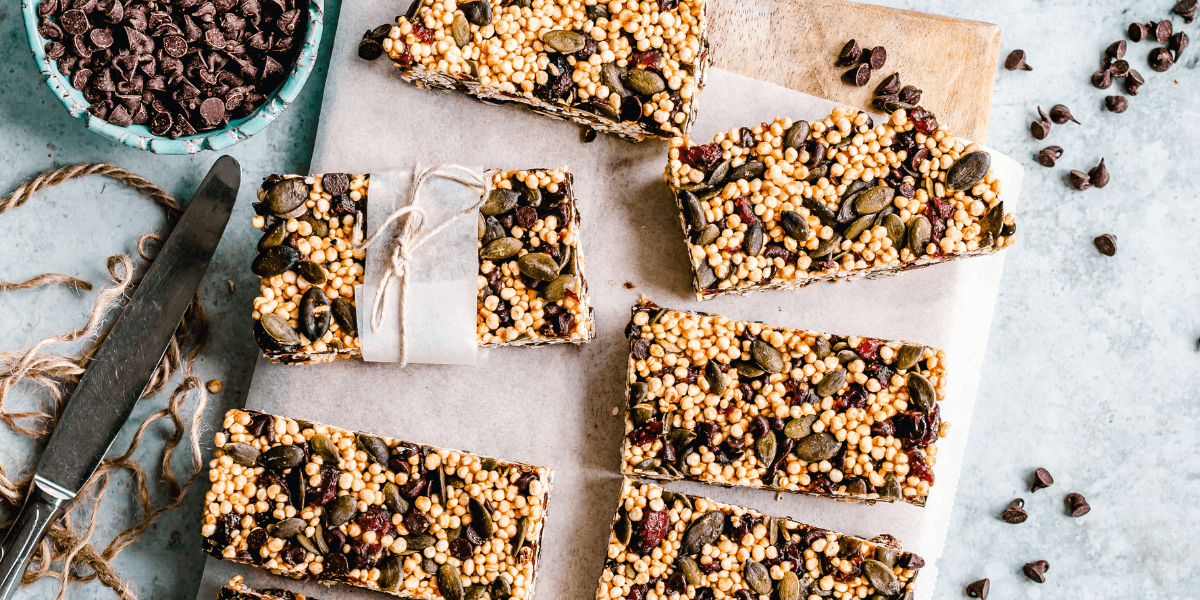
How Protein Fortification, Fiber Enrichment, And Sugar Reduction Are Reshaping Product Development.
GLP-1 drugs are changing how Americans eat. As millions adopt these diabetes and weight management medications, demand is surging for nutritionally rich, functional products that support satiety and gut health. This shift in consumer preferences is beginning to influence many food categories, including snacks and bakery.
The demand for snacks remains high, with nearly 3 in 4 Americans snacking at least once a day, according to IFIC. But consumer motivation around their snacking and food choices is evolving fast. The growing consumer demand for better-for-you products is transforming the snack category, giving brands and manufacturers unique opportunities to meet emerging customers' needs.
Top Consumer Trends in 2026
Protein took the lead as the top nutrient in 2025, with an explosion of product innovation offering protein-rich food and beverage options. It seems that fiber will take the spotlight in 2026, propelled by growing recognition of gut health's importance and social media trends like "fiber-maxxing".
WHAT IS GLP-1 AND HOW DOES IT AFFECT CONSUMER FOOD HABITS
Anti-Obesity Medications (AOMs) or GLP-1 drugs, such as Ozempic and Wegovy, are gaining popularity as diabetes and weight loss drugs in America. The latest KFF Health tracking poll found that at least 12% of US adults reported trying GLP-1 agonist drugs and 6% currently taking them. A recent Circana report projects a notable jump in the number of GLP-1 users in the US, reaching 35% by 2030. While adoption rates may vary, even modest penetration is already influencing food purchasing behavior.
GLP-1 medications are beginning to influence consumer habits. These medications help reduce appetite and increase the feeling of satiety, significantly changing consumers' relationship with food. As a result, users of GLP-1 drugs eat smaller portions and prefer healthier, more nutritionally rich foods.
GLP-1 medications are quickly generating a new category of consumers, who want not just healthier, but nutrient-dense foods that are high in protein and fiber, low in sugar and carbohydrates.
COST, TASTE, AND OTHER BARRIERS
Traditionally, snacks and baked goods often had less attractive nutritional profiles, particularly in terms of sugar, fiber, and protein content. As more consumers become conscious of their diet and the nutritional quality of the foods they eat, they are seeking healthier versions of their favorite products for guilt-free indulgence.
Snack producers are feeling the pressure to keep up with the growing consumer demand for healthier, more nutritionally rich, functional snacks, but adding functional ingredients isn't always as simple as it sounds.
One of the biggest challenges is cost. Natural and clean-label ingredients that deliver functional benefits often cost more than conventional or synthetic alternatives. While this can increase formulation costs, it's important to remember that finished products with clean labels and added functionality are often more appealing to consumers.
Taste is another big factor. Functional ingredients can sometimes bring their own flavor notes, which means formulators need to work harder to maintain the familiar taste that consumers expect. Paired with texture, these can be the biggest obstacles to product reformulations. Studies continue to show that taste and texture remain major factors in consumer tastes, bringing focus to the importance of indulgence and its preservation. For successful product reformulations, manufacturers need to consider nutritional, functional, and organoleptic properties of ingredients for the best, craveable outcomes.
Although challenges exist, particularly around cost, taste, texture, and "going natural", snack brands that invest in clean-label functional ingredients often see the payoff in stronger consumer trust, premium positioning, and product differentiation on the shelf.
PROTEIN FORTIFICATION IN SNACKS
.png)
Protein is one of the leading ingredients in functional space. The number of consumers trying to increase their protein intake has climbed steadily, reaching 71% in 2024.
Protein fortification is not a new trend. But, with the latest increase in consumer demand for "high protein" products, plant proteins may offer brands unique opportunities for new product development.
However, choosing the right protein source matters. Plant proteins can impact taste and other sensory properties, introduce off-notes, or change texture. That's why producers may run into formulation hurdles when adding these functional ingredients. Meeting these challenges requires the right ingredient solutions.
Pea protein isolates provide functional and nutritional benefits, aiding manufacturers seeking product innovation. A&B Ingredients offers a range of pea protein isolates that are non-GMO, allergen-free, and all-natural ingredients. PISANE™ pea proteins are of high purity and contain all the essential amino acids in significant amounts. Thanks to its low anti-nutritional factor content, it is well tolerated.
But let's not forget their functional benefits. PISANE™ pea proteins are specifically designed for bakery and snack applications. They have high protein content and unique sensory qualities that allow for high incorporation without compromising taste. Their organoleptic profile has been optimized through a patented process to minimize the typical "green" taste and off notes found in many plant proteins. Additionally, their water-absorption characteristics make them ideal for maintaining good dough handling and achieving the desired texture in applications such as gluten-free breads, cookies, and bars.
FIBER ENRICHMENT IN SNACKS AND BAKERY
Fibers and prebiotics are resonating strongly with the health-conscious consumers. Consumers are increasingly aware of fiber's role in digestive health, metabolic balance, and overall wellness, to the point that fiber and prebiotic claims are among the fastest-growing functional ingredients in beverages and foods today. CNBC recently spotlighted "fiber-maxxing" - the trend of adding fiber to food and beverages for everyday wellness.

Mintel reports that 90% of women and 97% of men in the U.S. are not consuming enough fiber, falling short of the daily recommended intake. This creates a persistent "fiber gap" and an opportunity for brands to formulate products that will help consumers close it.
Fiber and prebiotics play an important role in supporting digestive health and overall wellness. Health organizations globally recognize the value of adequate daily fiber intake as part of a balanced diet, with research consistently linking fiber-rich diets to improved gut function and a lower risk of chronic conditions such as heart disease and type 2 diabetes.
Naturally occurring fiber is found in whole grains, including their bran layers, as well as legumes, vegetables, and fruits. In food and beverage applications, added fibers are commonly derived from plant-based sources, such as vegetables, legumes, and fruits, with soluble fibers offering functional benefits in addition to their nutritional value. These ingredients allow manufacturers to enhance fiber content while maintaining product quality and clean-label appeal.
CELLULA pea hull fiber has a high fiber content, ideal for fiber fortification. Functionally, adding this fiber to products helps retain moisture, improve texture, and extend shelf life. This makes it a versatile solution for a wide range of bakery applications, from breads, crackers, and cookies to nutrition bars and extruded snacks. With CELLULA pea hull fiber, bakers boost their products' nutritional profile and texture, making them even more appealing to today's health-conscious consumers.
In snacks, CELLULA adds fiber and helps with extrusion. In bars, fiber acts as a binder. Its high fiber content, neutral taste, and color make it well-suited for baked goods like baked treats, bread, energy and health bars, muffins, and cookies.
SUGAR REDUCTION WITH PREBIOTIC FIBER
Sugar reduction is a hot topic, and it comes with its own set of challenges. Reducing sugar requires careful flavor modulation to maintain the right balance of sweetness. We support formulators with natural, clean-label solutions that make this process easier.

FOSLIFE® sweet soluble prebiotic fiber is an excellent solution for sugar reduction. It is highly soluble and has functional properties similar to sugar. FOSLIFE® can greatly reduce sugar while adding dietary fiber and maintaining about 70% of sugar's sweetness. In addition to sugar reduction, they offer functional benefits, such as improved texture, enhanced moisture retention, and improved binding. It is ideal for use in baked products, like cakes, which require a delicate balance of moisture, texture, and flavor. It allows for sugar reduction, enhances nutritional profile, and offers functional benefits, improving taste, texture, and mouthfeel.
This makes FOSLIFE® a great clean-label alternative to high-fructose corn syrups. In fruit fillings and bars, soluble prebiotic fibers can improve softness and replace some traditional hydrocolloids, simplifying the overall formulation and making it more consumer-friendly.
Fiber from chicory root is another consumer-friendly solution that helps reduce sugar, improve nutrition, and enhance texture in snacks and bakery products. Chicory root is a natural source of inulin and can support nutrient content claims, such as "good source" or "excellent source" of fiber. It can also provide a bulking effect, improving mouthfeel and texture in baked goods.
FINAL THOUGHTS
The GLP-1 revolution is rewriting the rules for snacks and bakery products. What was once a category defined by indulgence is rapidly evolving into one where nutrition and functionality are non-negotiable. But taste still reigns supreme.
Success in this growing category requires balancing multiple priorities: delivering on the nutritional front, maintaining the taste and texture consumers crave, and keeping formulations clean and transparent. It's a complex challenge, but the brands that rise to meet it will capture a rapidly growing market segment.
The good news? Clean-label functional ingredients have evolved significantly. Solutions like pea protein isolates, pea hull fiber, and prebiotic fibers now offer the nutritional boost consumers demand while maintaining and even enhancing taste and texture.
At A&B Ingredients, we specialize in natural, clean-label solutions designed specifically for these formulation challenges, like PISANE™ pea proteins for clean-label fortification, CELLULA fiber for texture and nutrition, and FOSLIFE® prebiotic fiber for sugar reduction without sacrifice.
Contact us today to learn how our portfolio of clean-label ingredient solutions can help you elevate your products.

Get Expert Support and Formulation Guidance
Connect with our technical team for product samples, application support, and customized recommendations for your specific needs.
CONTACT US